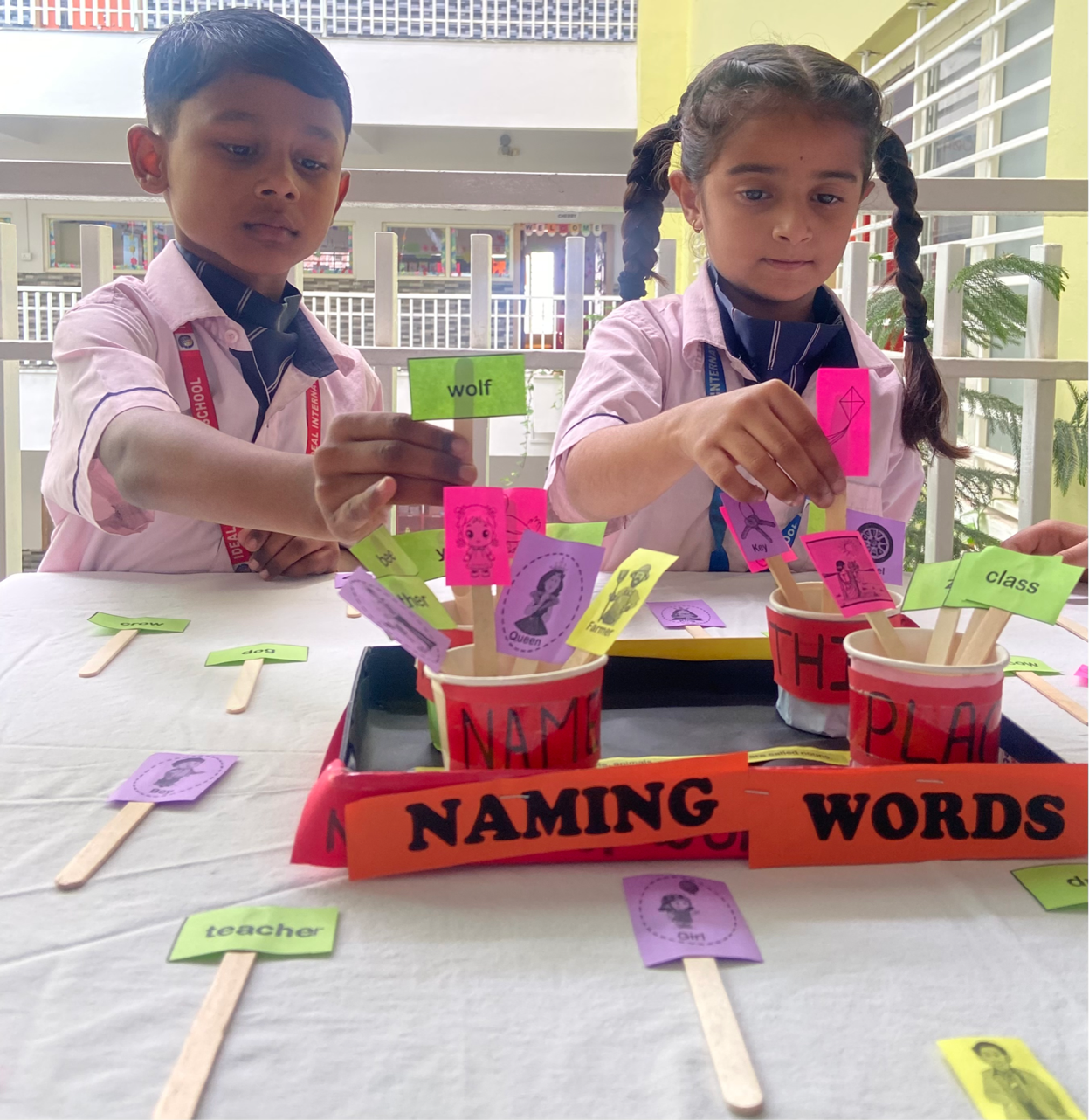
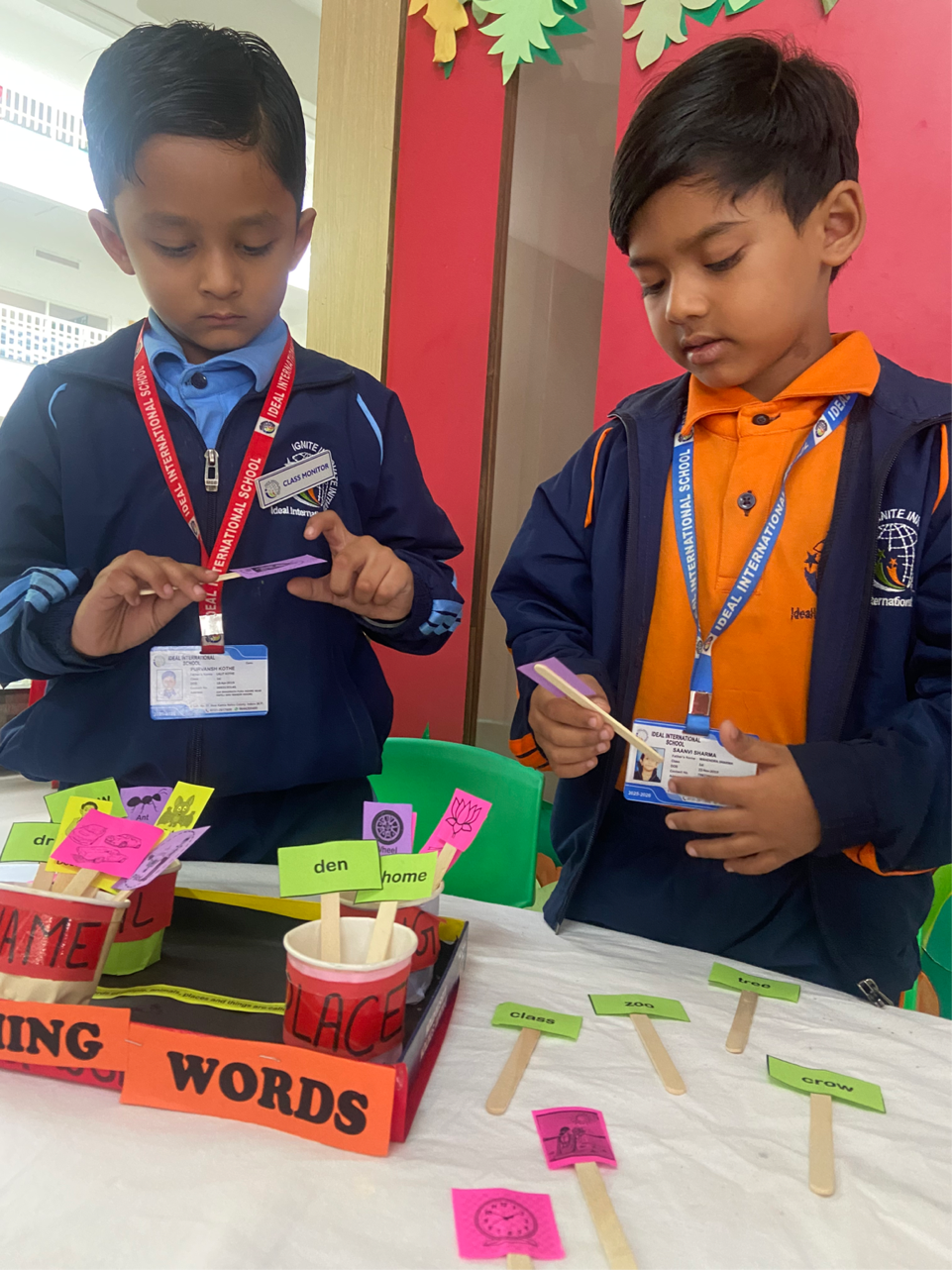
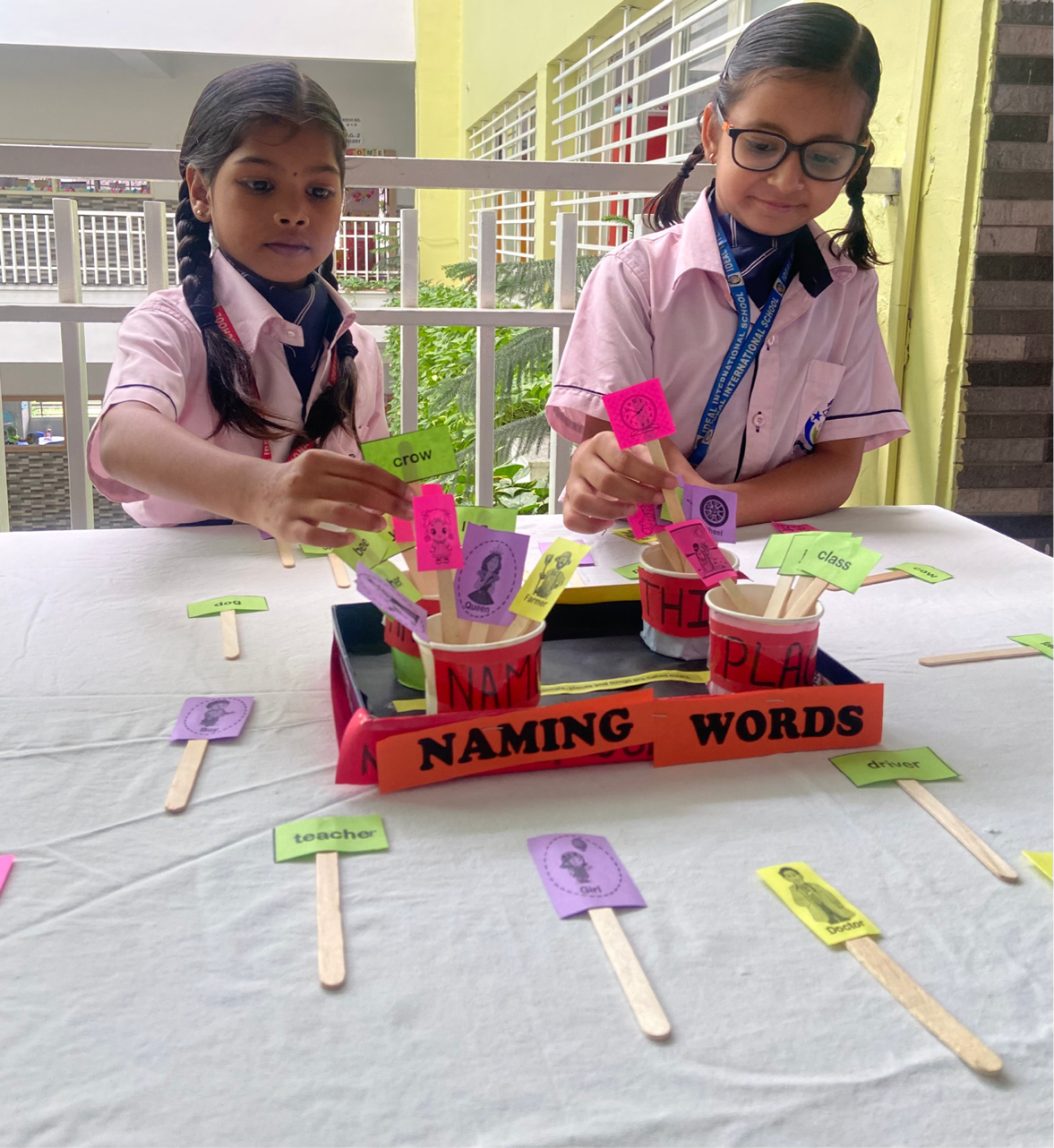
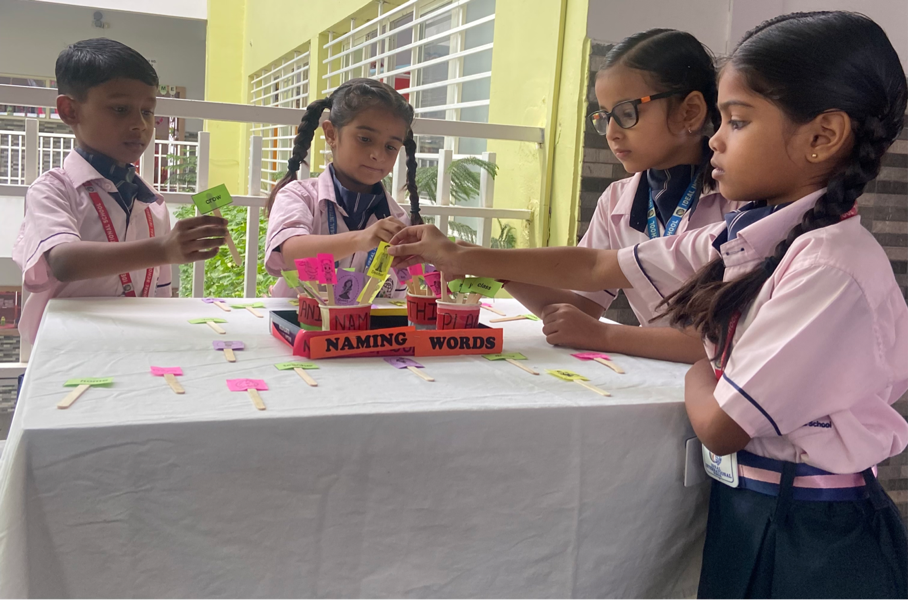
In Grade 1 English class, students explored the topic of
“Naming Words” through a fun and interactive activity. To help students understand the concept of naming words (nouns), a hands-on game was planned where children were given a box filled with sticks that had either pictures or names. Each child picked one stick from the box and identified what it showed. This engaging activity encouraged active participation, critical thinking, and discussion among students.
Through this game, learners were able to clearly differentiate between different categories of naming words, enhanced their vocabulary, and improved their ability to classify and identify nouns in their environment. It also fostered teamwork, confidence, and joyful learning in the classroom.
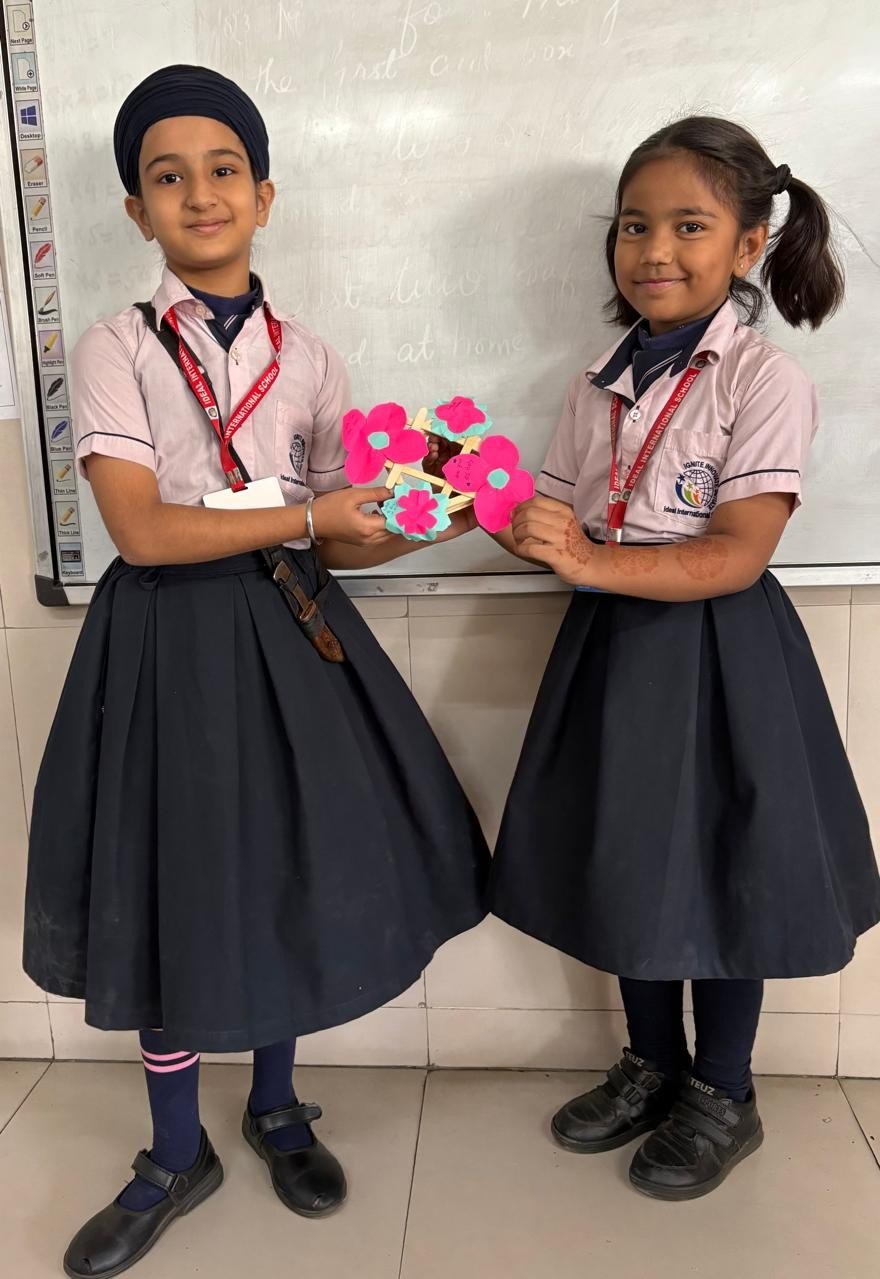
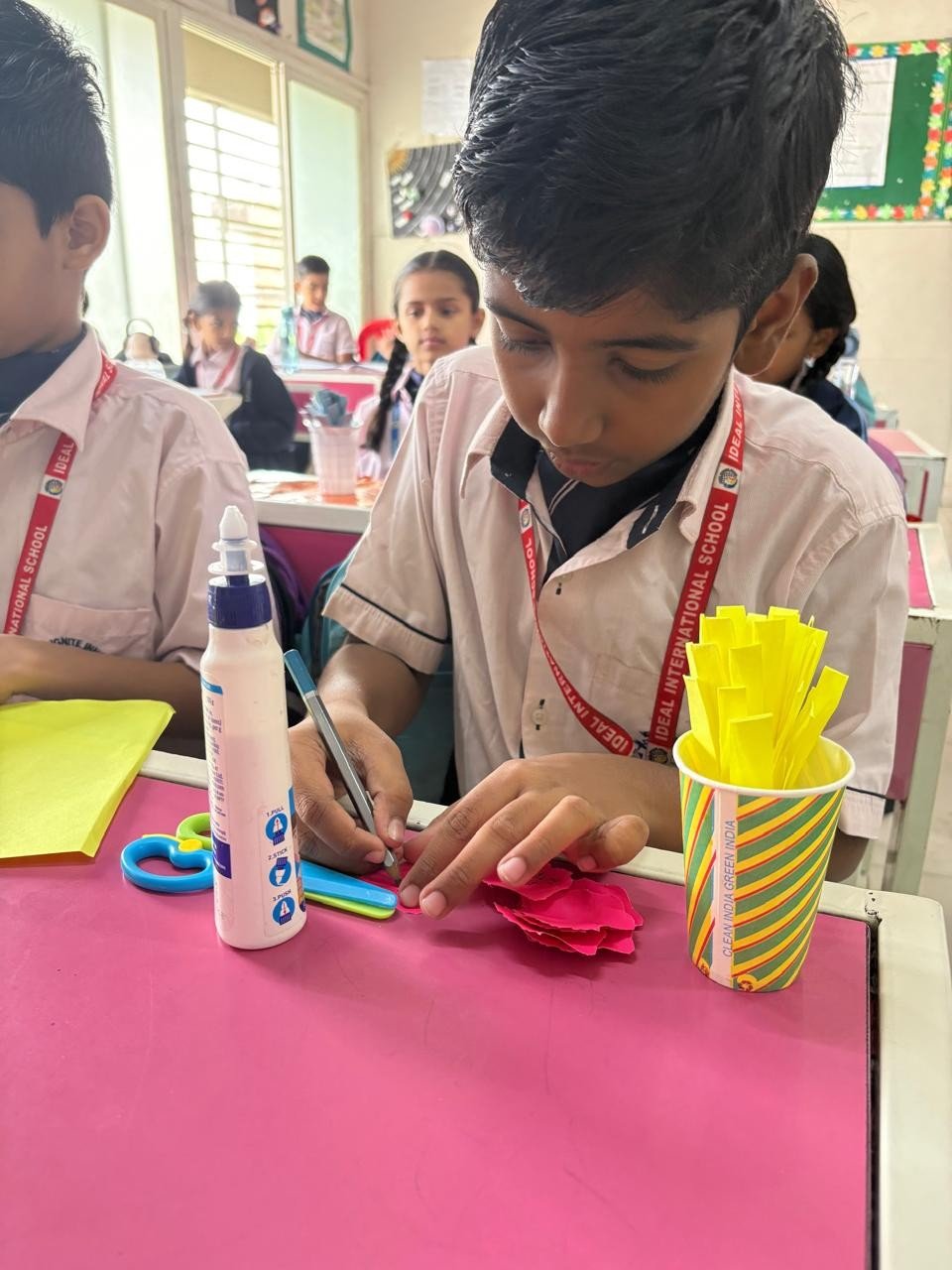
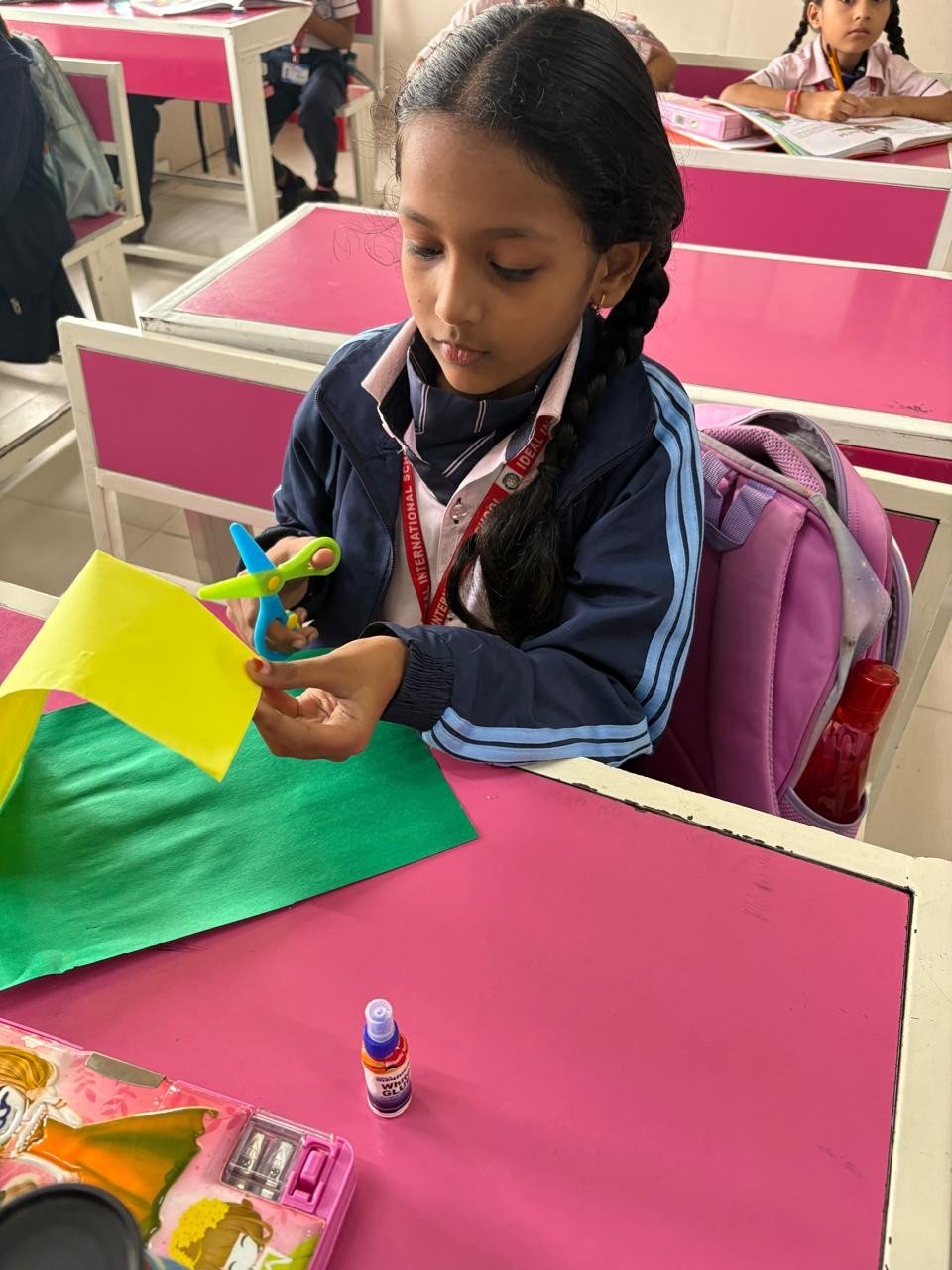
To bring alive the moral of The Selfish Giant, our Class 3 students participated in a heart-touching activity titled “Blooming with Kindness.” Through this activity, the young learners created beautiful Kindness Flowerpots and Bouquets, each symbolizing love, care, and generosity.
Students focused and crafting their kindness flowers.
Sharing Happiness
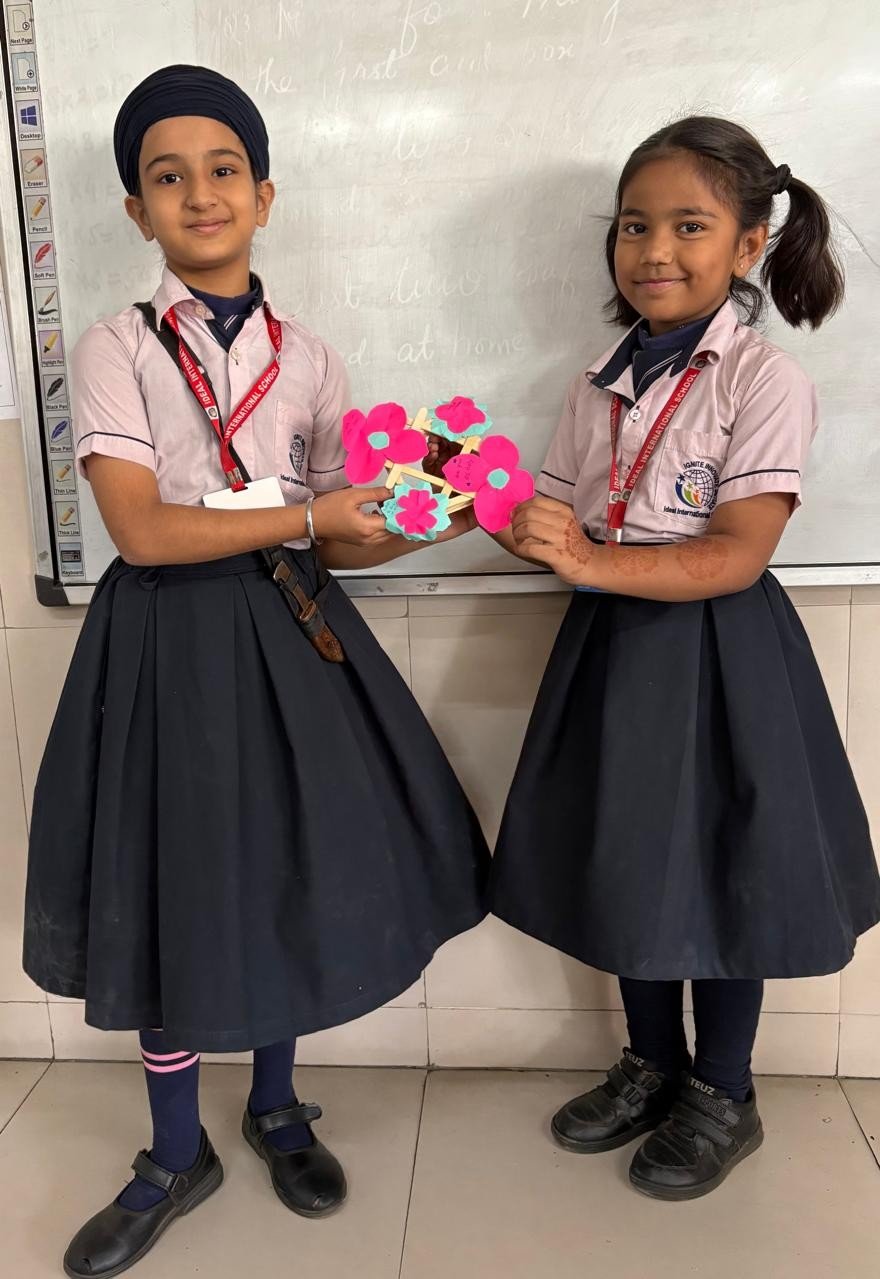
After preparing their handmade bouquets, students exchanged them with their friends. This act of giving helped them understand that true happiness lies in sharing and caring — the very message taught by The Selfish Giant.
Students exchanging kindness bouquets with happy smiles.
Lesson Learned
This activity wasn’t just about art and craft — it was about nurturing hearts. Children learned the importance of giving, expressing gratitude, and spreading positivity. Their creativity and emotions bloomed together, turning the classroom into a beautiful garden of kindness.
Message of the Day
“A little act of kindness can make the world bloom with happiness.”
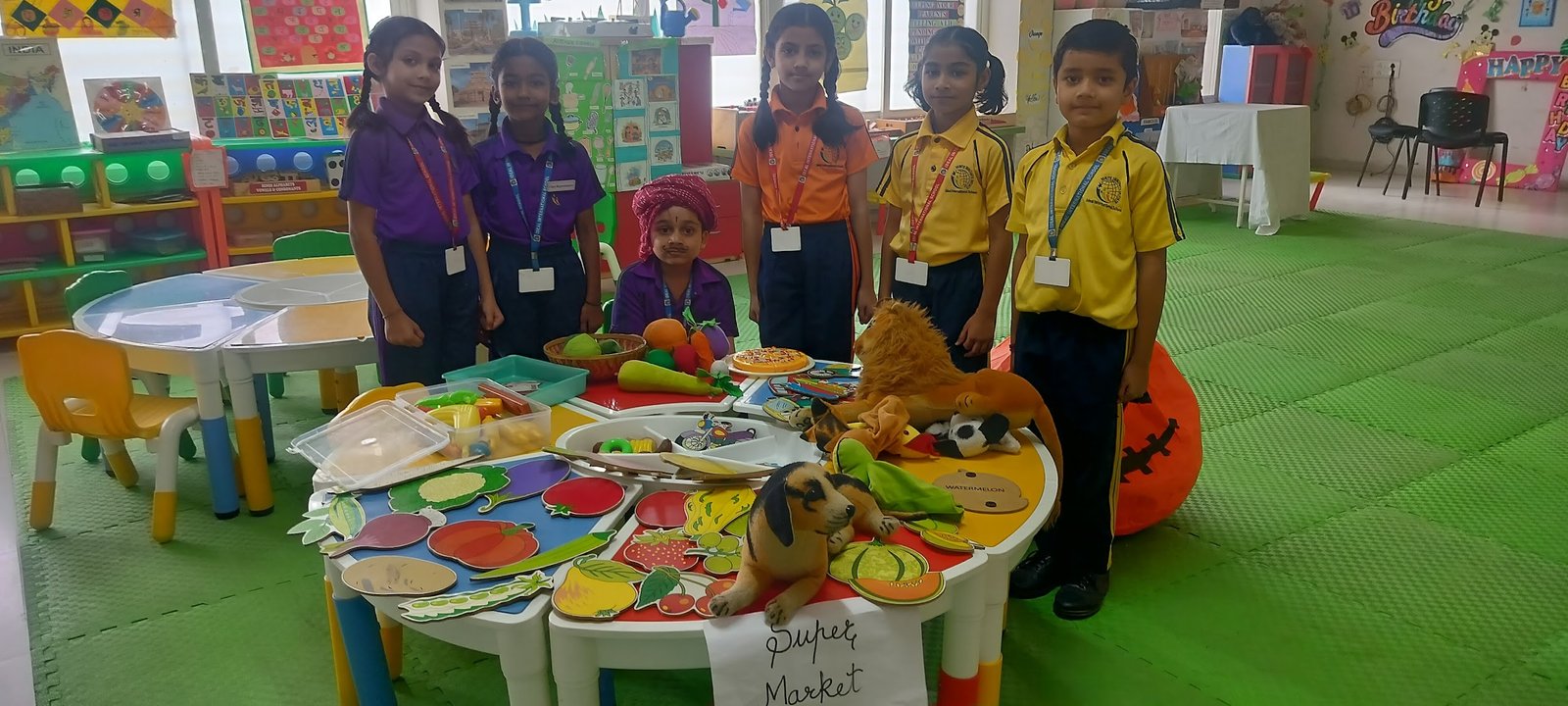
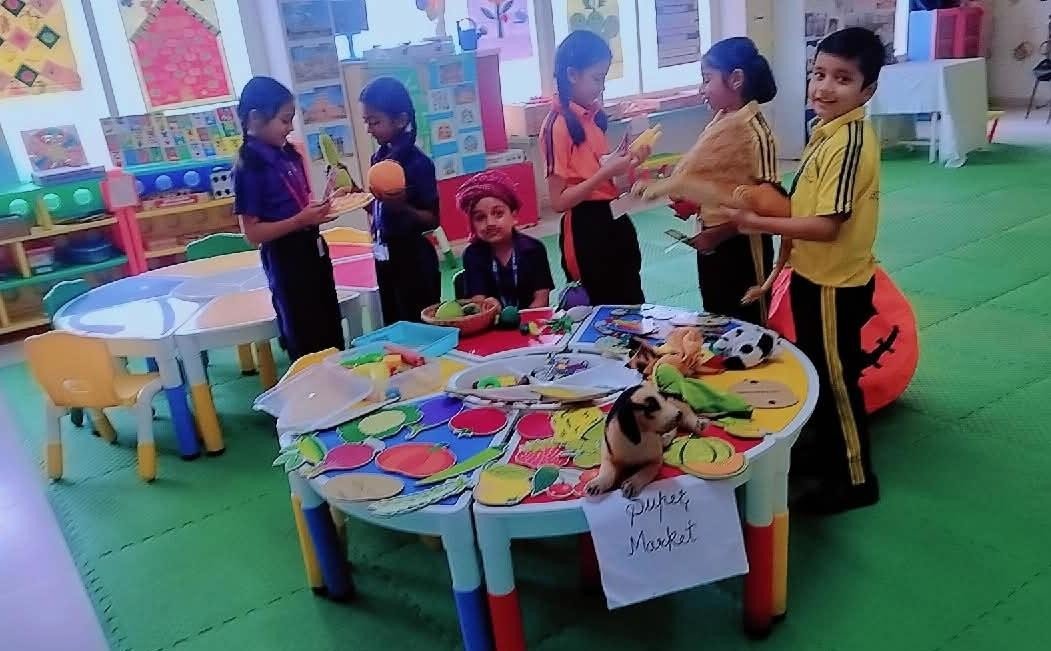
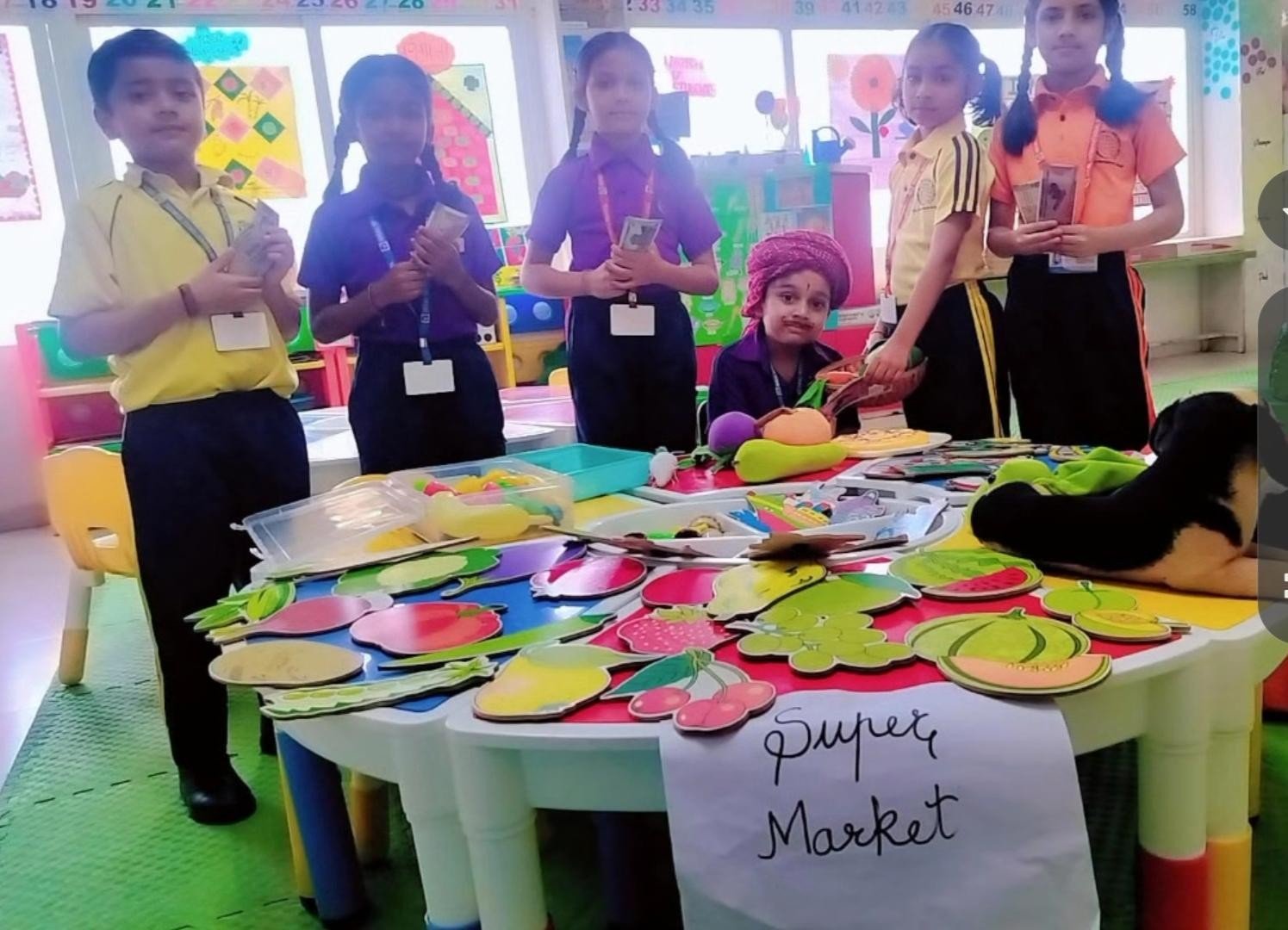
Learning becomes most meaningful when children experience it in real-life situations. Our Grade 2 students brought the concept of “Money” to life through a wonderful role play activity this week.
The classroom turned into a cheerful mini marketplace, filled with stalls for fruits, vegetables, toys, and stationery. Students enthusiastically took up roles as shopkeepers and customers, using play money to buy and sell items.
Through their lively dialogues, children demonstrated how money is used in daily life, how to count and return change, and the importance of saving and spending wisely. Their confident lines —
“How much does this cost?”
“Here is your change, thank you!”
“I’ll save my money in my piggy bank!”
Made the learning joyful and interactive.
The role play was not only entertaining but also educational, helping students understand the value and smart use of money. It was truly heartwarming to see our young learners combine fun and learning so beautifully!
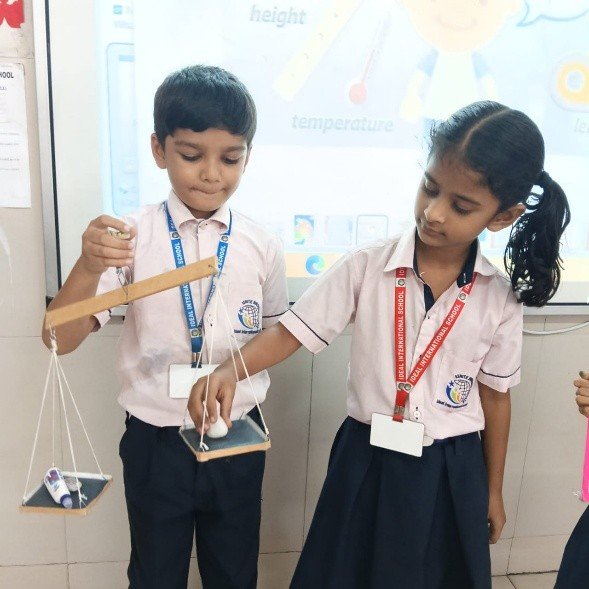
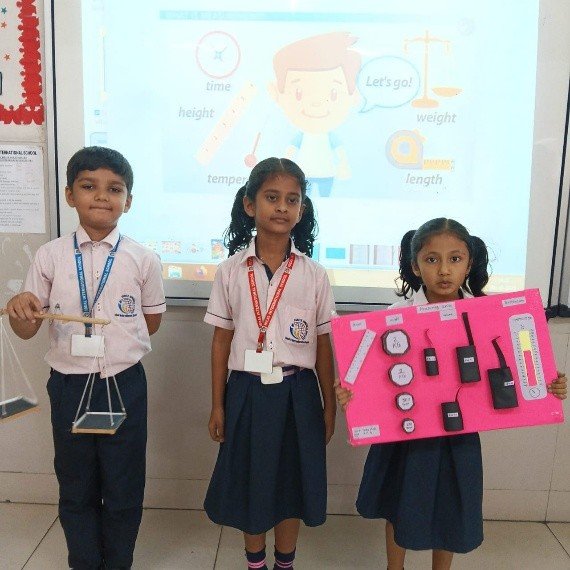
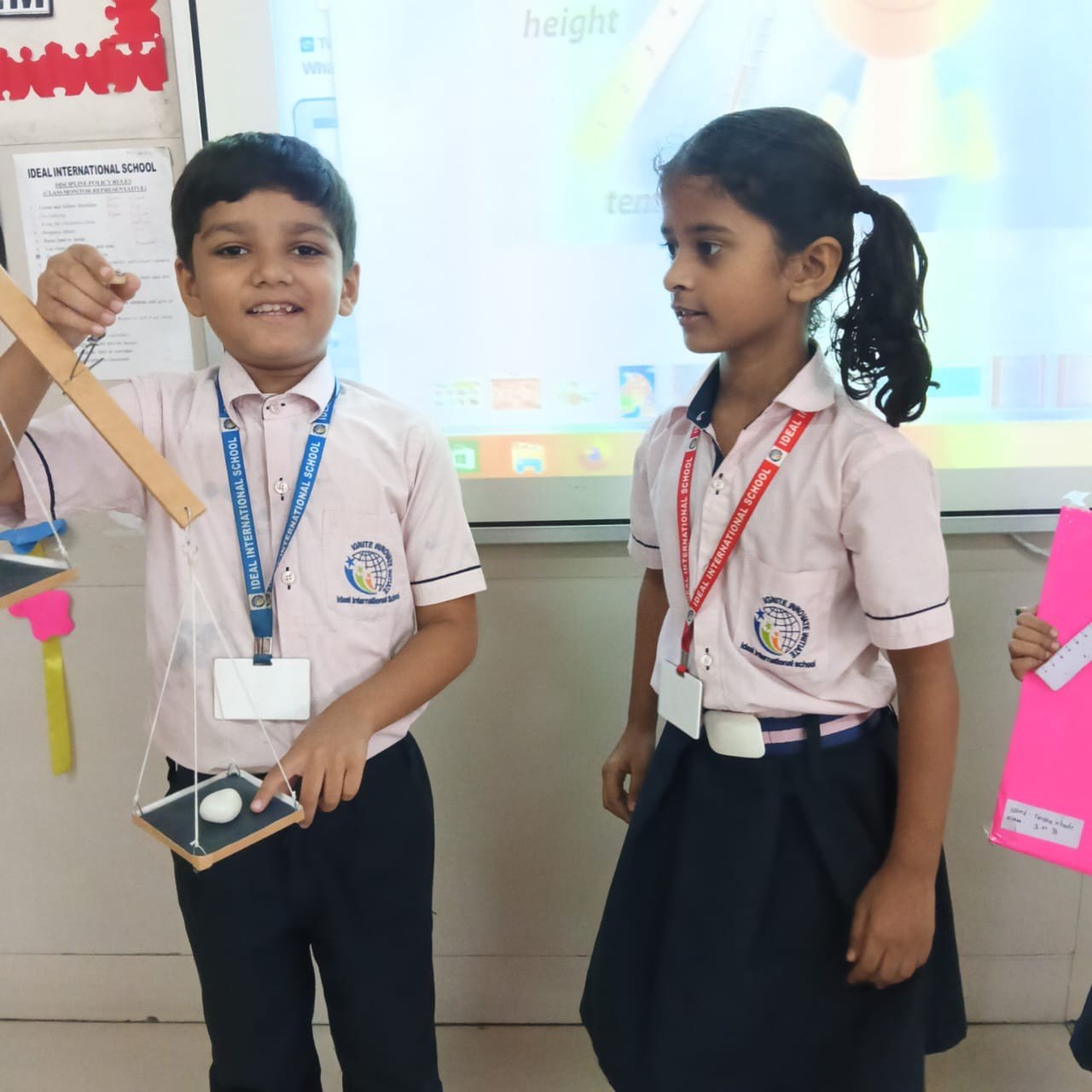
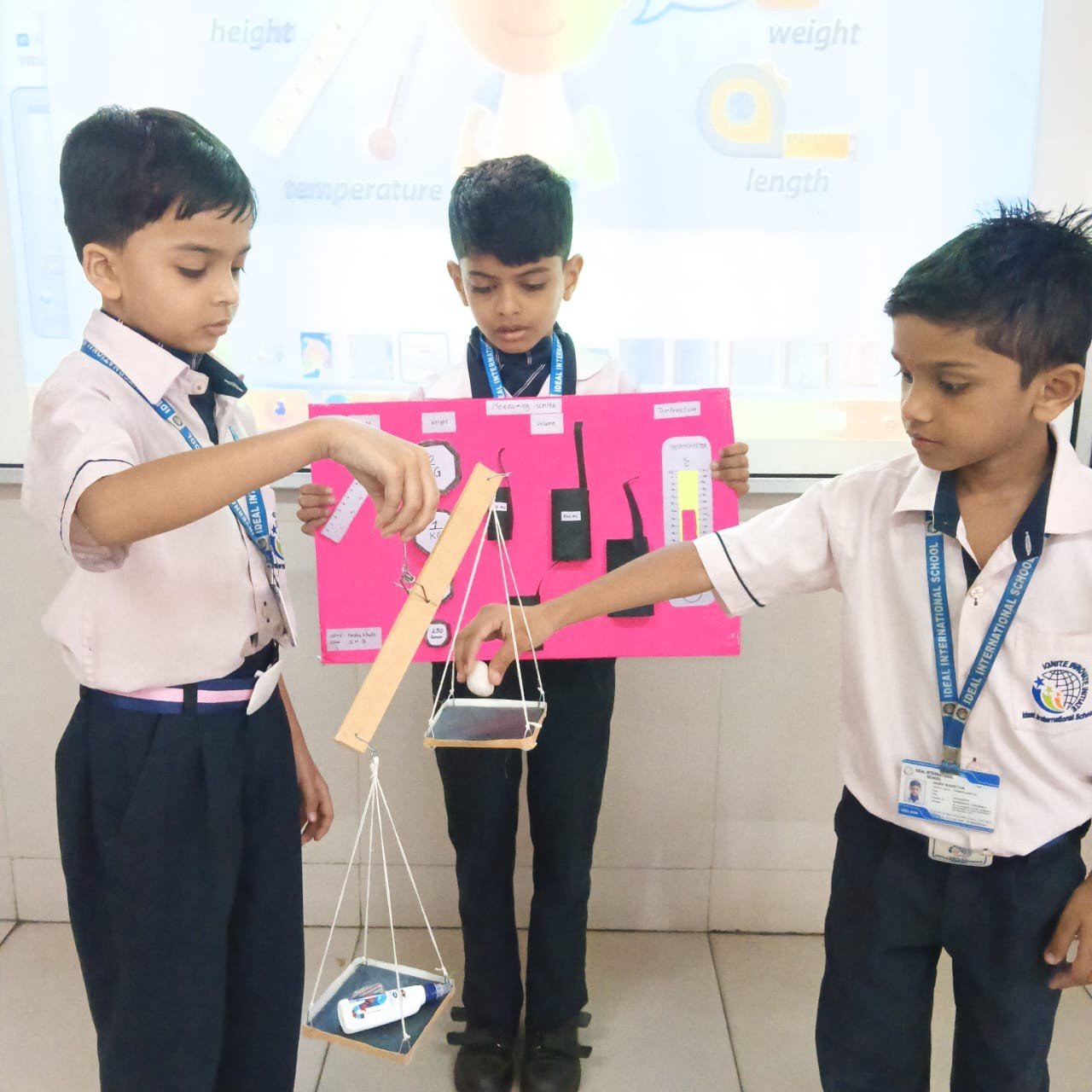
The students learned about measurement by weight. They observed and compared different classroom objects like pencils, erasers, books, water bottles, toys, and paper using a balance. Through the activity, they discovered which objects were heavy and which were light.
The students were excited to see that size does not always decide weight—for example, a small stone turned out to be heavier than a big paper sheet. This fun, hands-on experience helped them clearly understand the concept of heaviness and lightness.
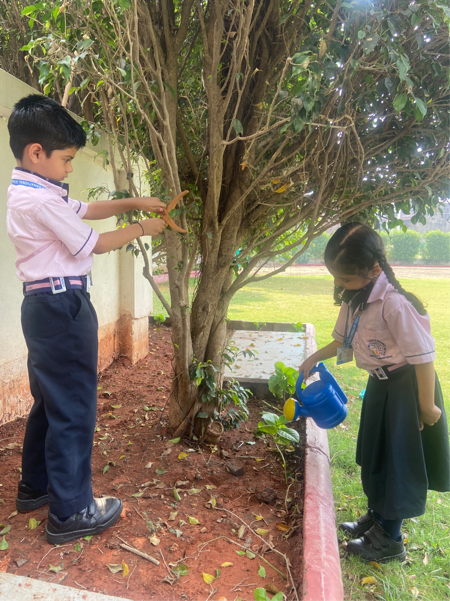
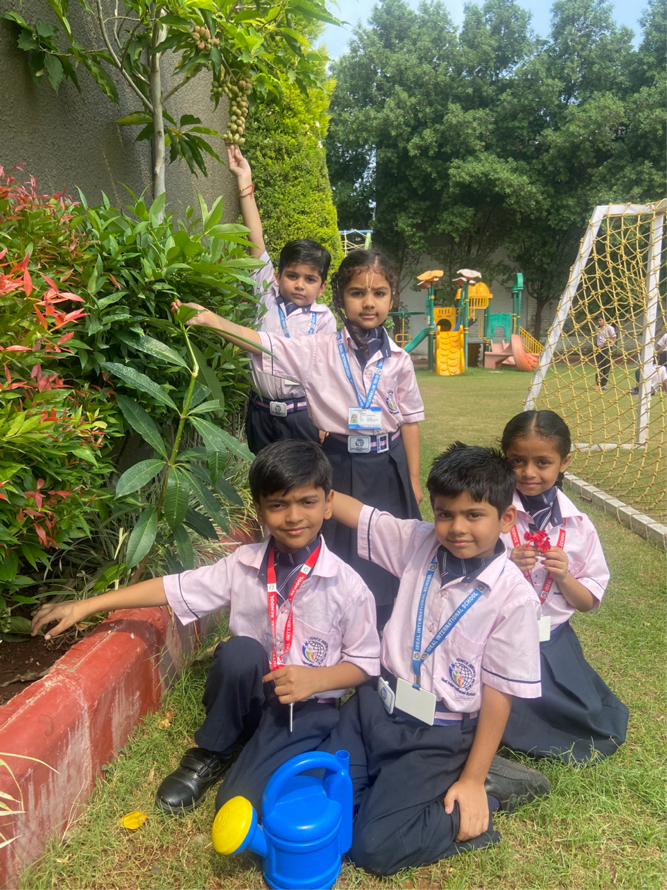
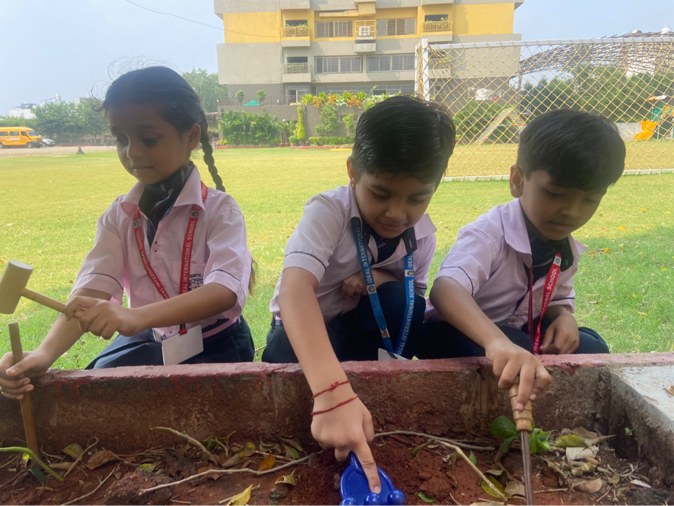
This week, our Grade 1 classroom came alive with excitement as we took our young learners on a visit to the school garden. As part of our lesson on “Parts of a Plant and Types of Plants,” the garden provided the perfect outdoor classroom for hands-on learning.
The children were thrilled to explore the garden, pointing out flowers, trees, and tiny insects. Together, we observed and identified the parts of a plant—roots, stems, leaves, flowers, and fruits. The students enjoyed touching the leaves, smelling the herbs, and noticing how different each plant looked.
We also explored the types of plants growing in the garden. The tall trees, bushy shrubs, tiny herbs, climbing vines, and creeping plants helped them understand how plants can look and grow in different ways. They were quick to spot examples, from the neem tree to the pumpkin creeper, and many connected what they saw to plants they’ve seen at home or in their neighborhood.
They compared the thickness of roots and observed leaves of different shapes, sizes, and textures, learning how plants can vary in wonderful ways.
During the visit, students also learned about irrigation and how water reaches the plants to help them grow. They got to see some gardening tools and understand how these are used to take care of plants. The garden was also buzzing with life—a home for many living beings such as butterflies, worms, bees, and birds. This helped the children understand how plants and animals depend on one another in nature.
By the end of the garden visit, the activity helped develop observation skills, curiosity about nature, and a sense of care for living things. Seeing the concepts come to life in the garden made the lesson more engaging, memorable, and meaningful for every child.
Back in class, we followed up with drawing and labelling activities, where students confidently illustrated what they had learned. It was truly heartwarming to see how a simple garden walk turned into a deep learning experience.
A Day in the School Garden – Learning About Plants!
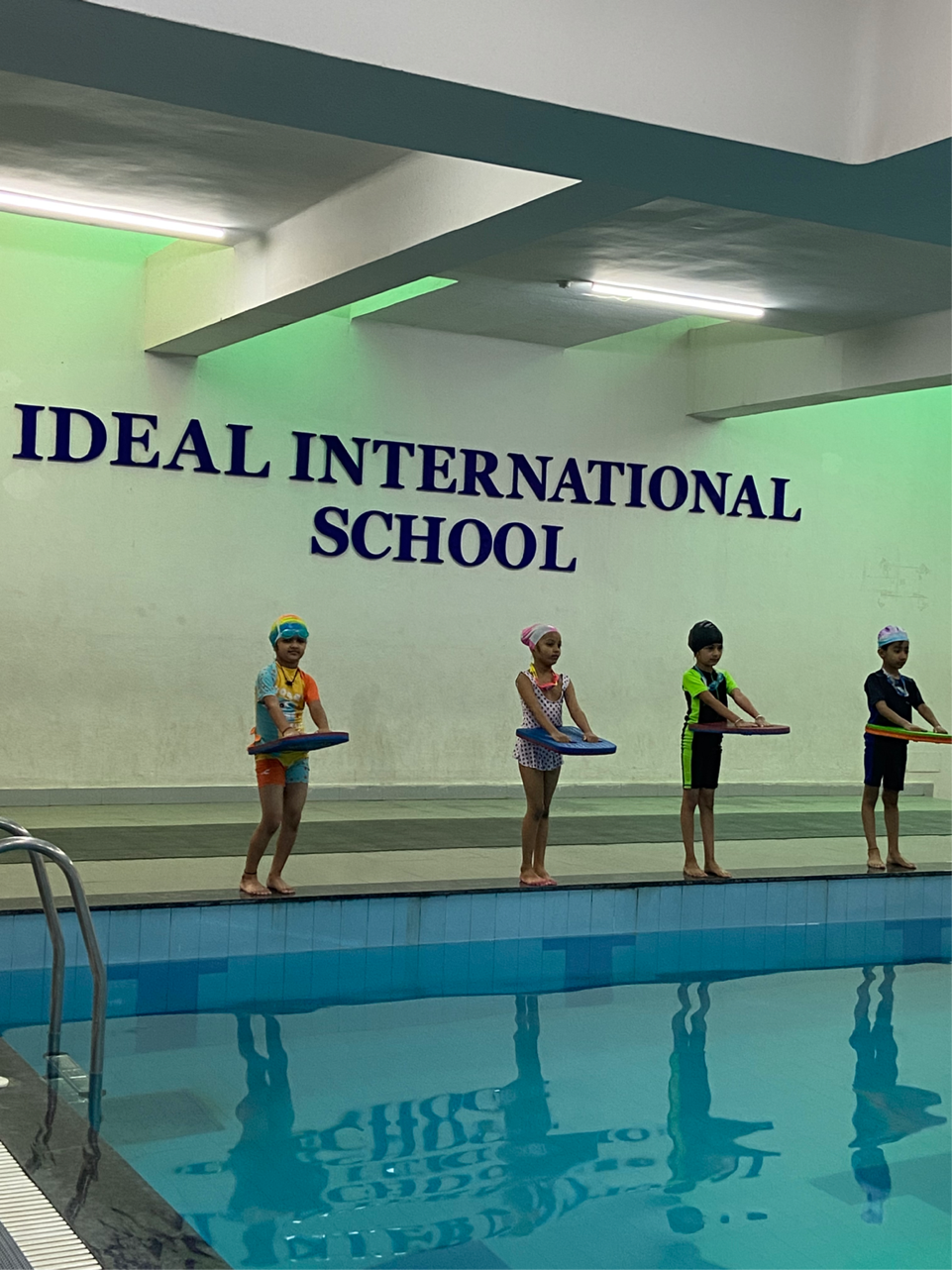
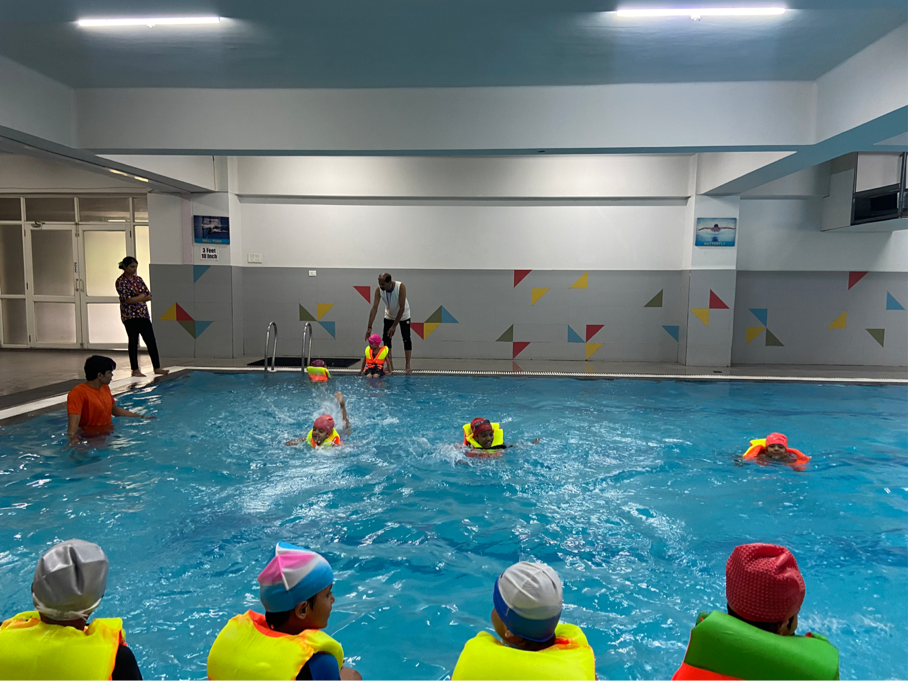
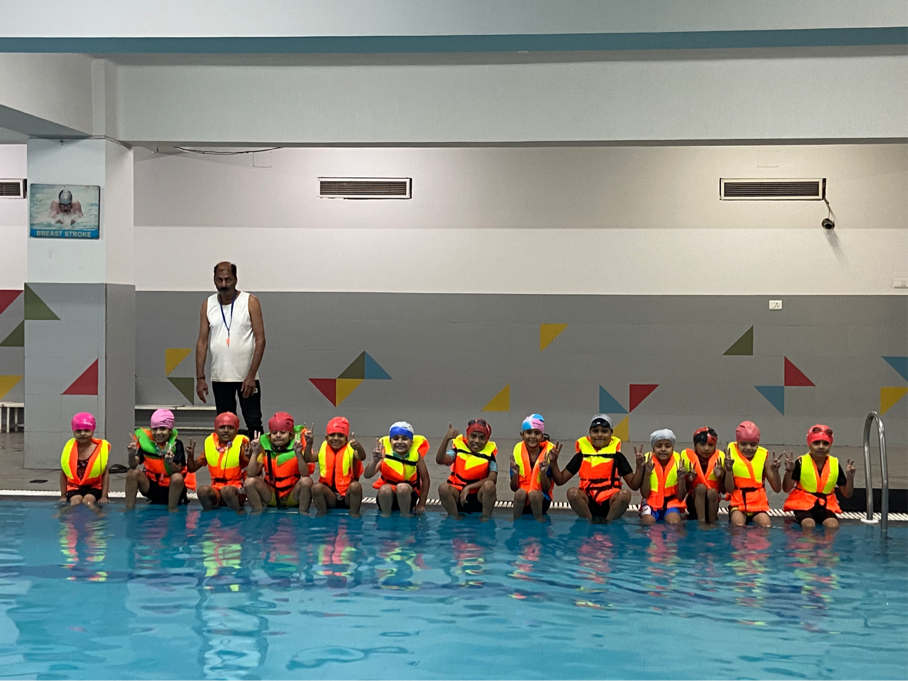
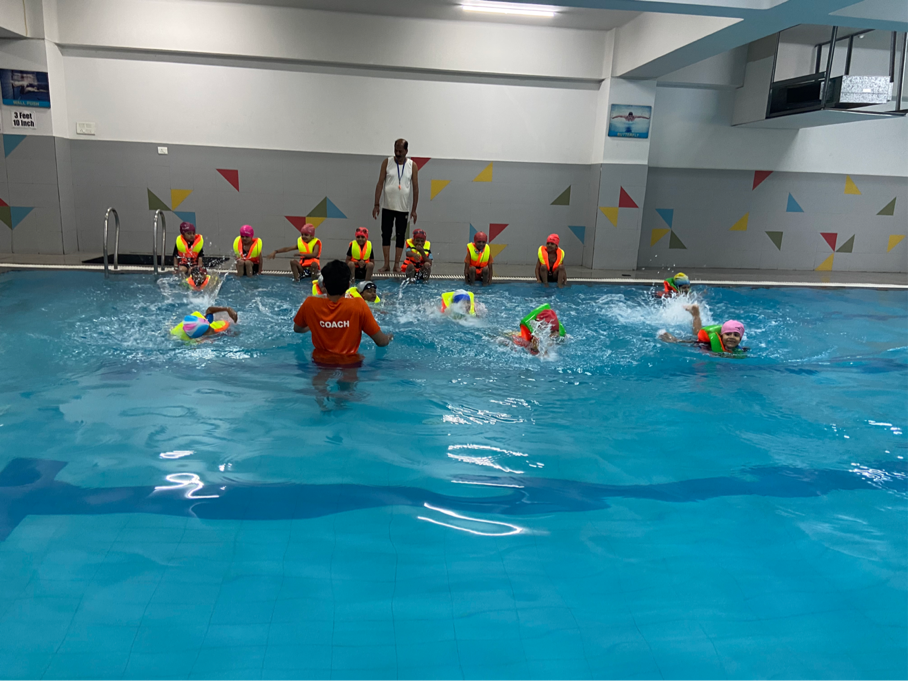
It’s always exciting to watch young learners grow-not just in the classroom, but beyond it. This term, our swimming lessons became more than just a physical activity. They turned into an engaging, hands-on Environmental Studies (EVS) experience!
As students learned basic water skills like floating and breathing techniques, they also explored environmental topics such as sources of water, uses of water, and importance of water conservation. Being in the pool helped them connect theory to real-life experiences-seeing clean water, understanding its recreational use, and learning why it must be used wisely.
In the pool, children explored the basics of water safety, floating, and simple strokes, water filtration, but we also took time to connect their experiences to their immediate environment.
Students were able to identify different uses of water and were aware of water conservation in everyday life-all while building confidence in the pool!
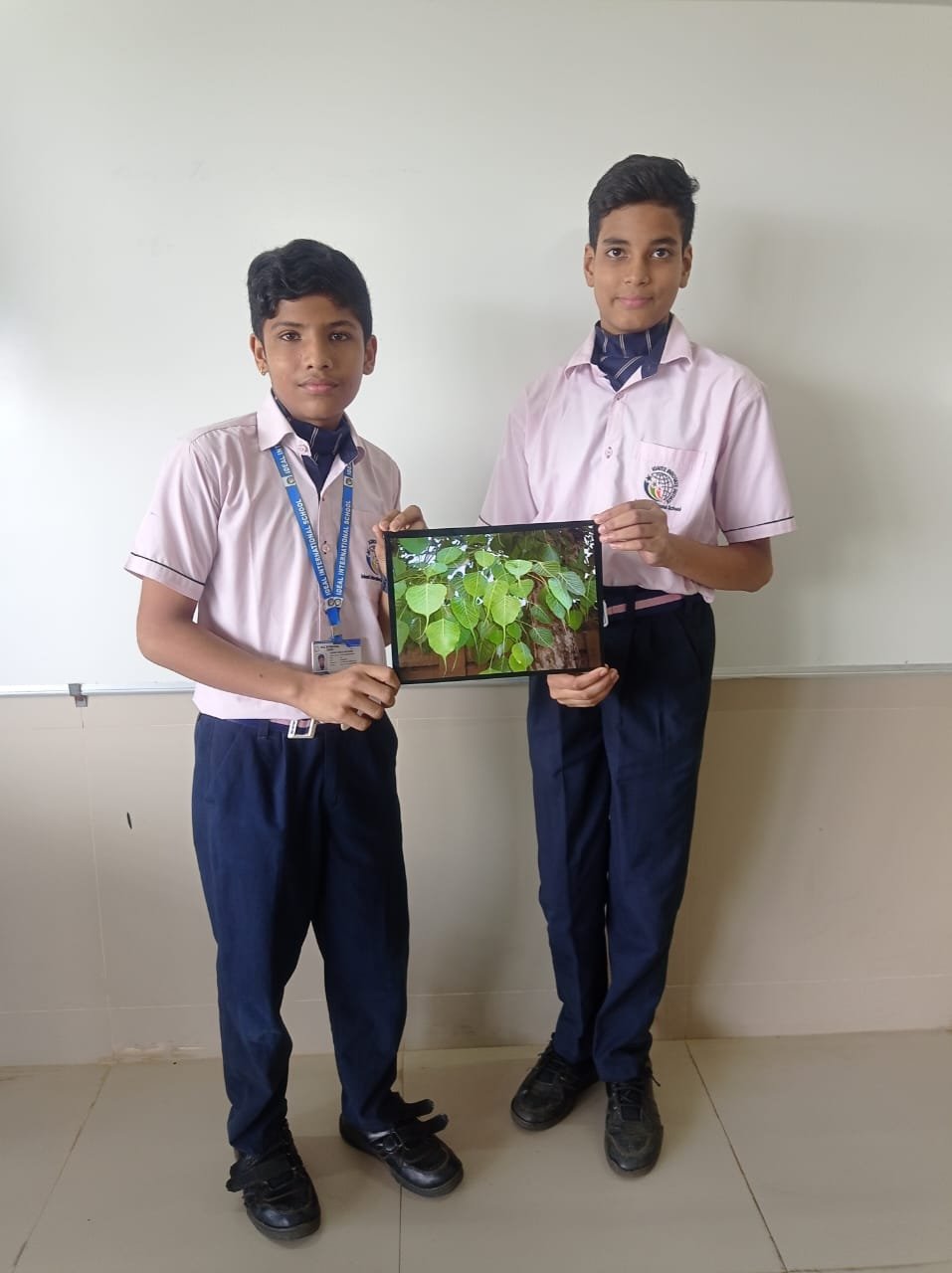
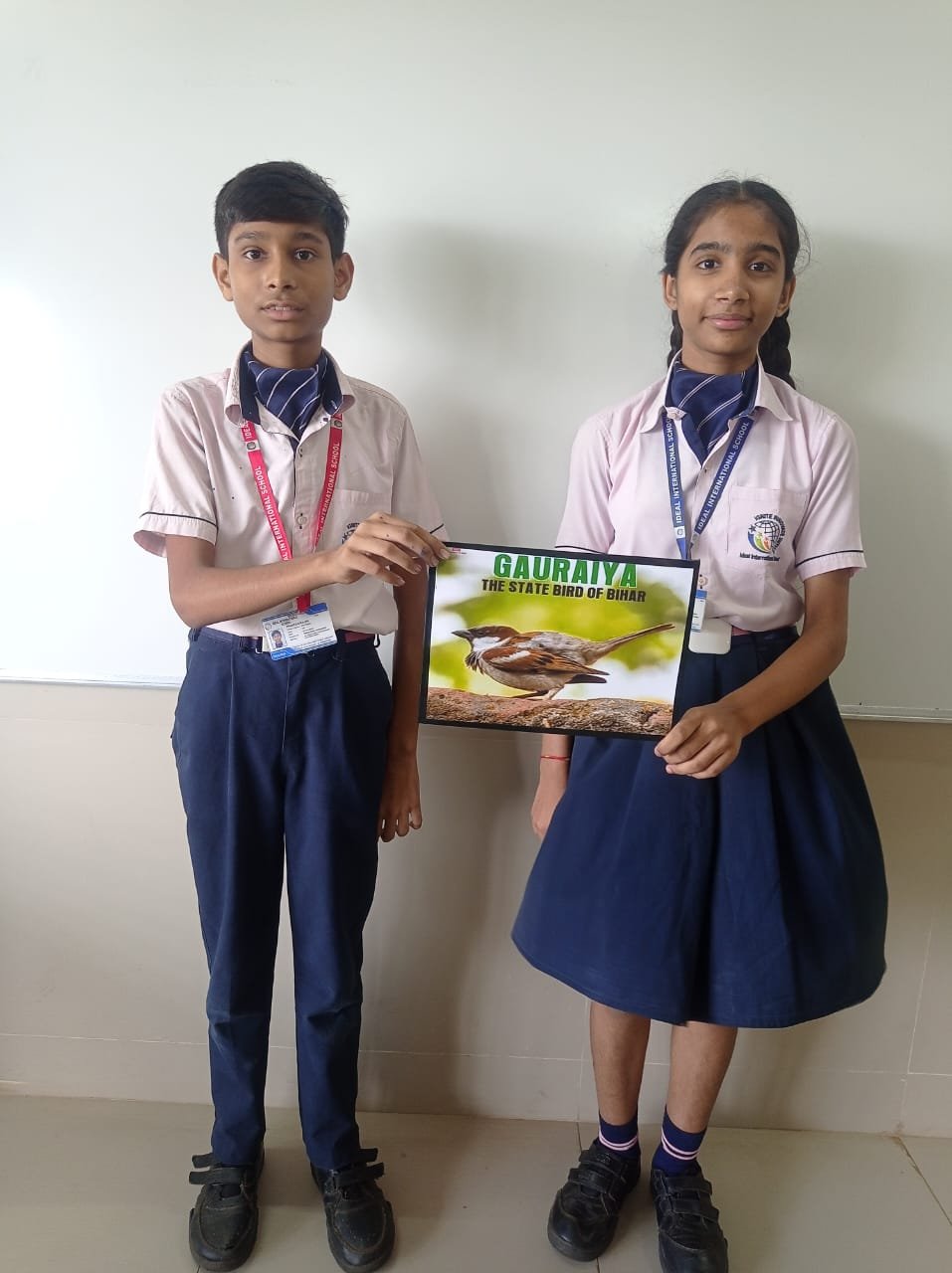
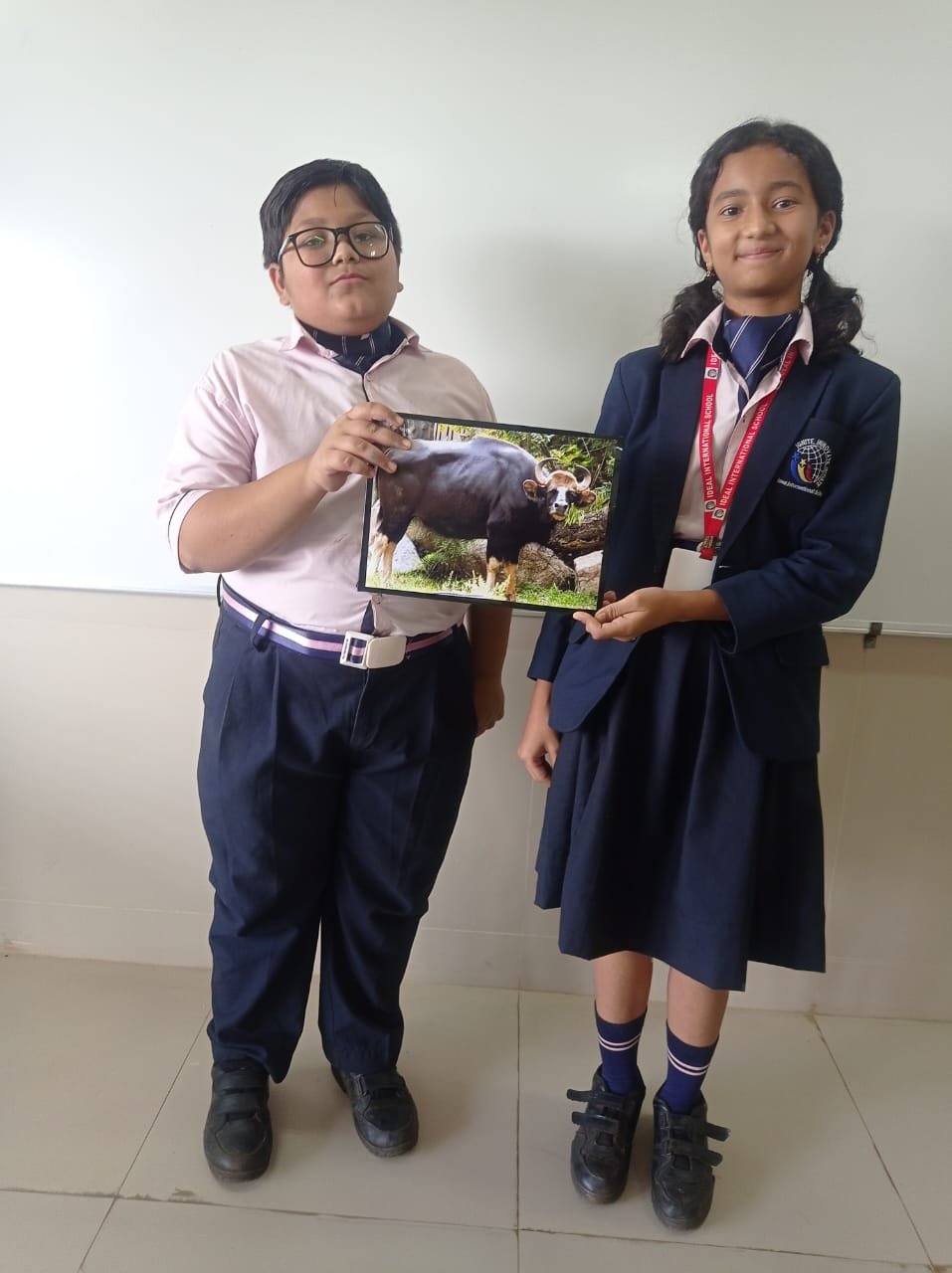
To make learning more interactive, Grade 8 students took part in a research-based activity on the state animal, bird, and tree of Bihar. The activity encouraged students to explore nature, understand the significance of these state symbols, and develop curiosity about wildlife.
Students researched the Gaur (state animal), House Sparrow (state bird), and Peepal Tree (state tree), learning when and why they were chosen and the areas where they are commonly found. They also discovered interesting facts about their characteristics, habits, and importance in the environment.
Through presentations and discussions, students shared their findings and suggested simple ways to protect and conserve these species. The activity not only made learning fun but also helped develop a sense of responsibility towards nature and wildlife.
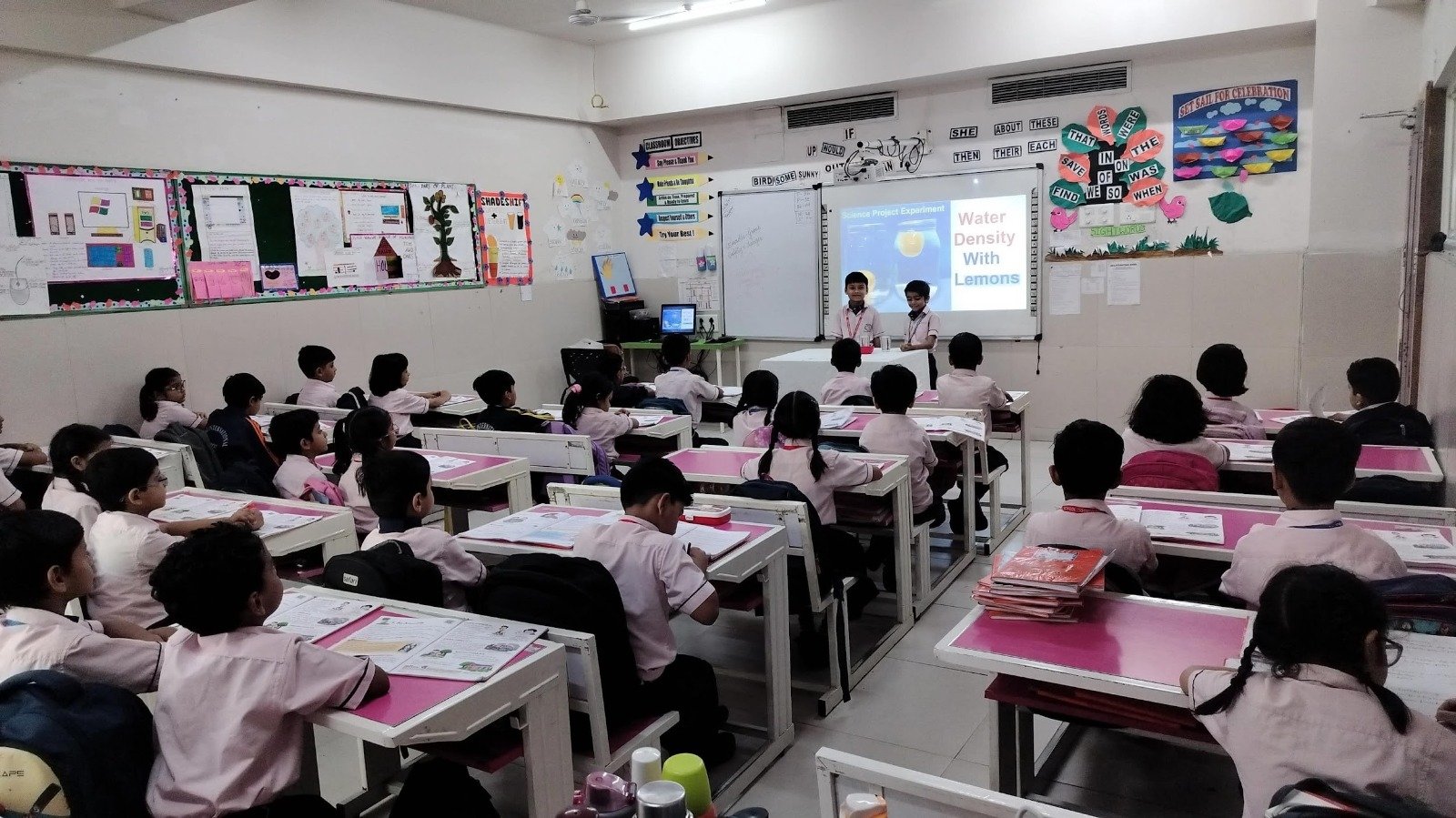
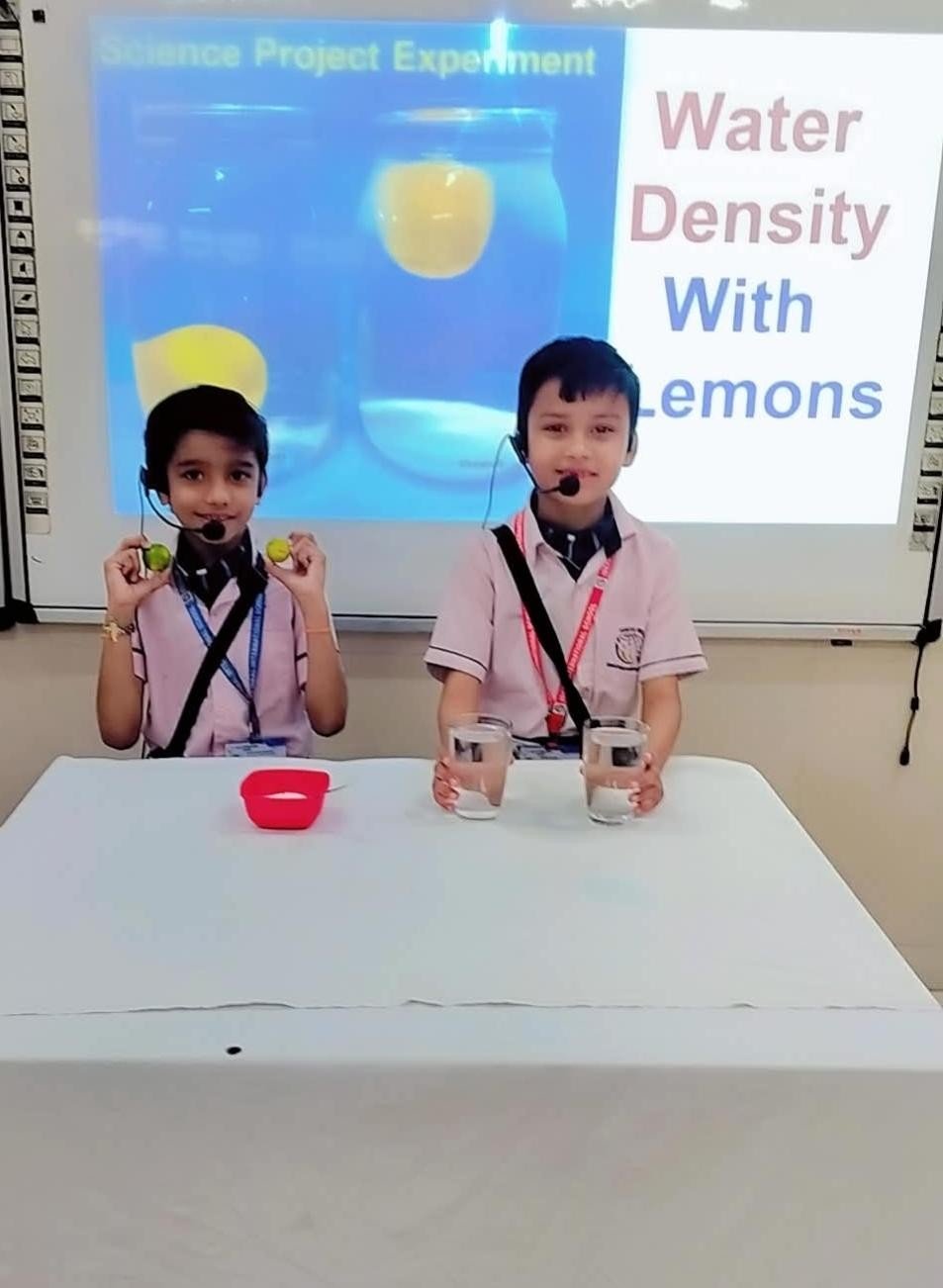
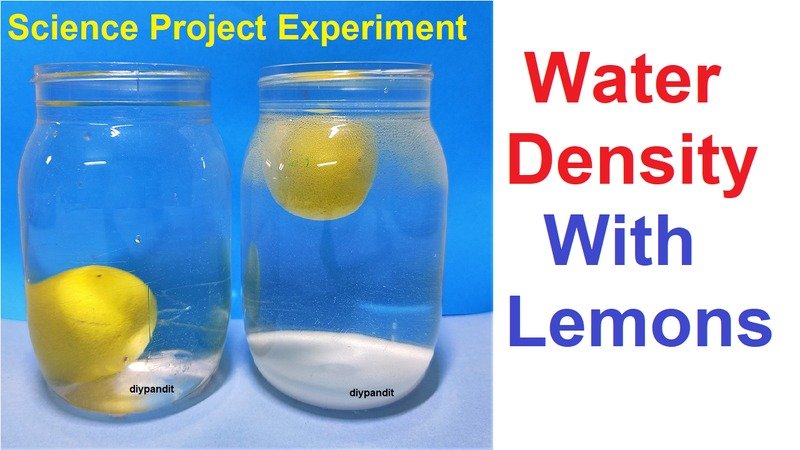
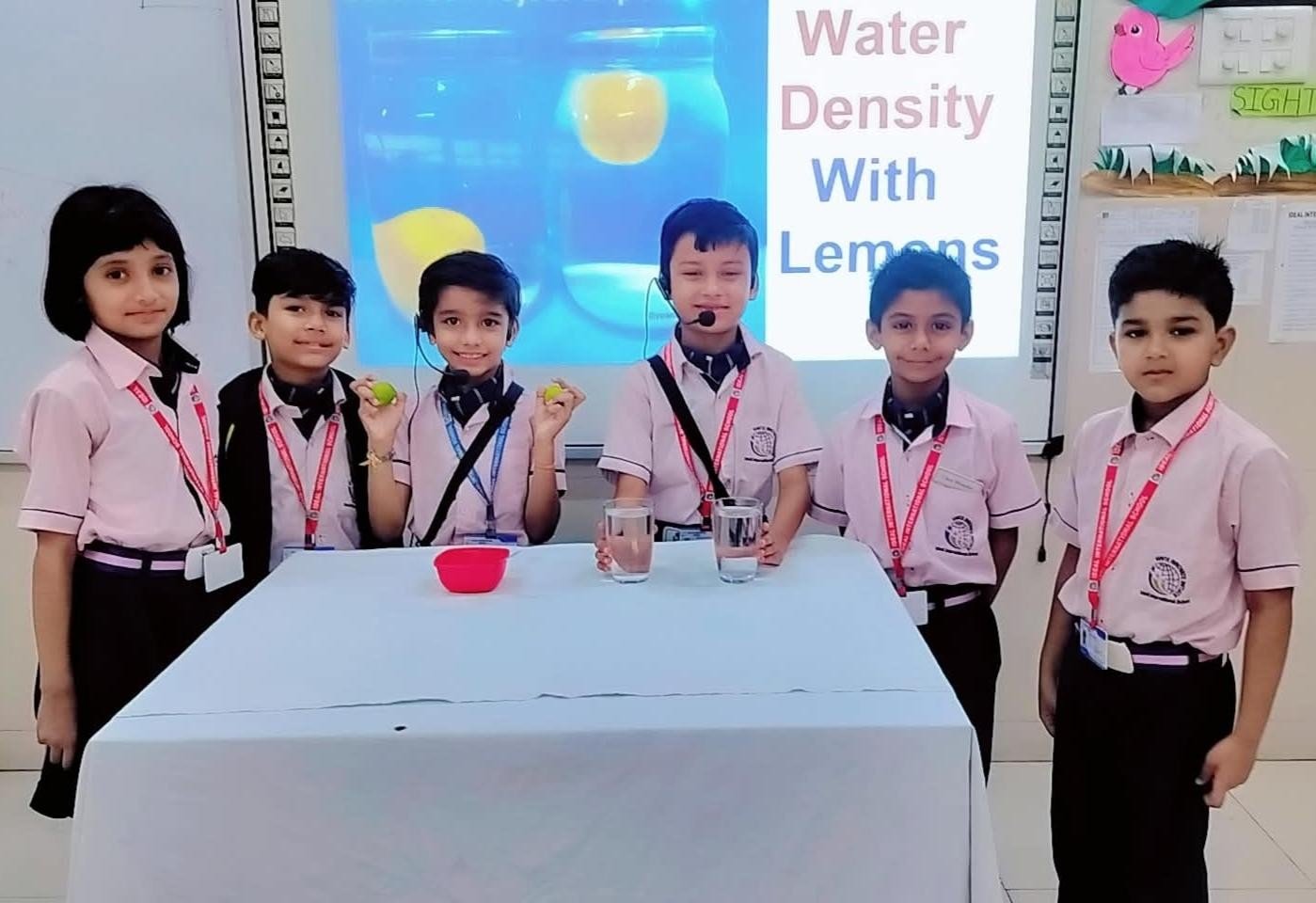
Hands-on learning always excites young learners, and our Grade 2B students experienced just that during their fascinating experiment on “Water Density with Lemons
The classroom turned into a mini science lab as curious little scientists explored why some lemons float while others sink. With glasses of water, salt, and fresh lemons, they eagerly began their observations and predictions.
Through this simple yet engaging experiment, the children discovered how adding salt increases the water’s density, allowing the lemon to float. This visual and interactive demonstration helped them understand that density determines whether an object sinks or floats.
It was truly heartwarming to see their eyes light up with curiosity as they observed changes and discussed their findings confidently. The activity not only enhanced their scientific thinking but also encouraged teamwork, observation, and reasoning skills.
Each child actively participated, explaining what they observed and why it happened — turning a simple experiment into a joyful learning experience filled with discovery and wonder.
Learning on the Go – Grade 2B Science Experiment on “Water Density with Lemons”
Learning on the Go – Grade 2B Science Experiment on “Water Density with Lemons”
Learning on the Go – Grade 2B Science Experiment on “Water Density with Lemons”
Learning on the Go – Grade 2B Science Experiment on “Water Density with Lemons”
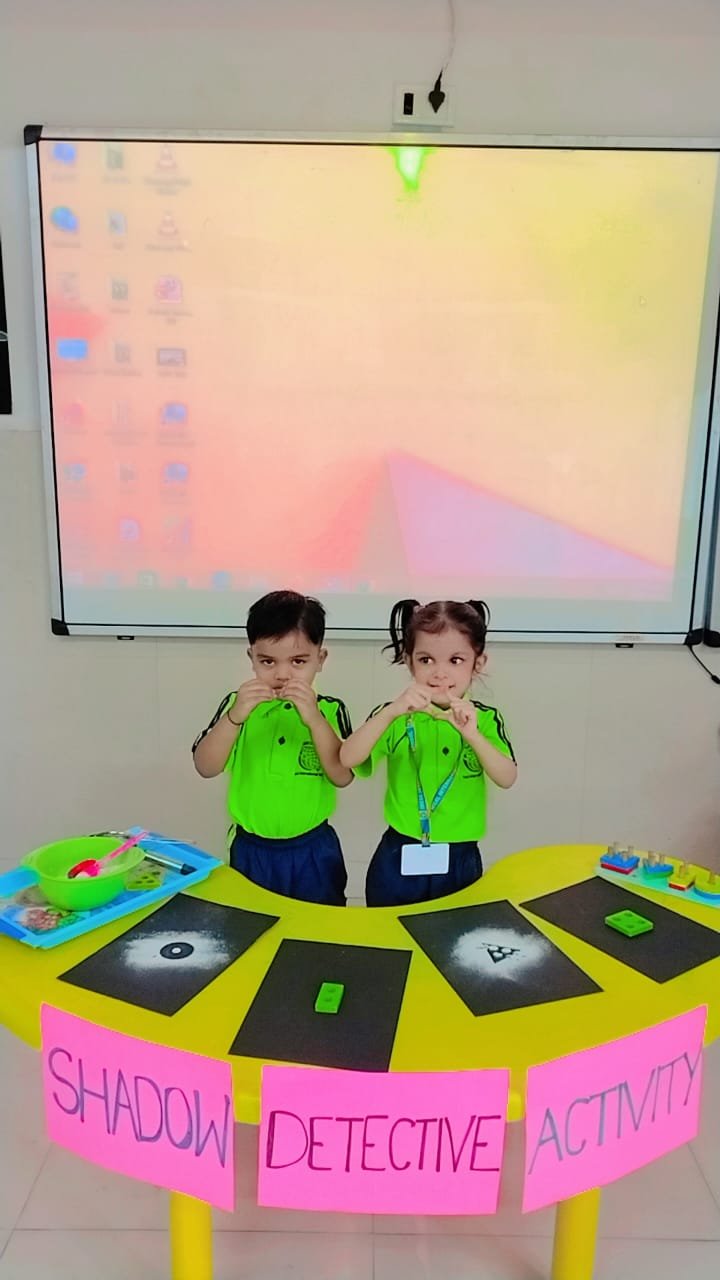
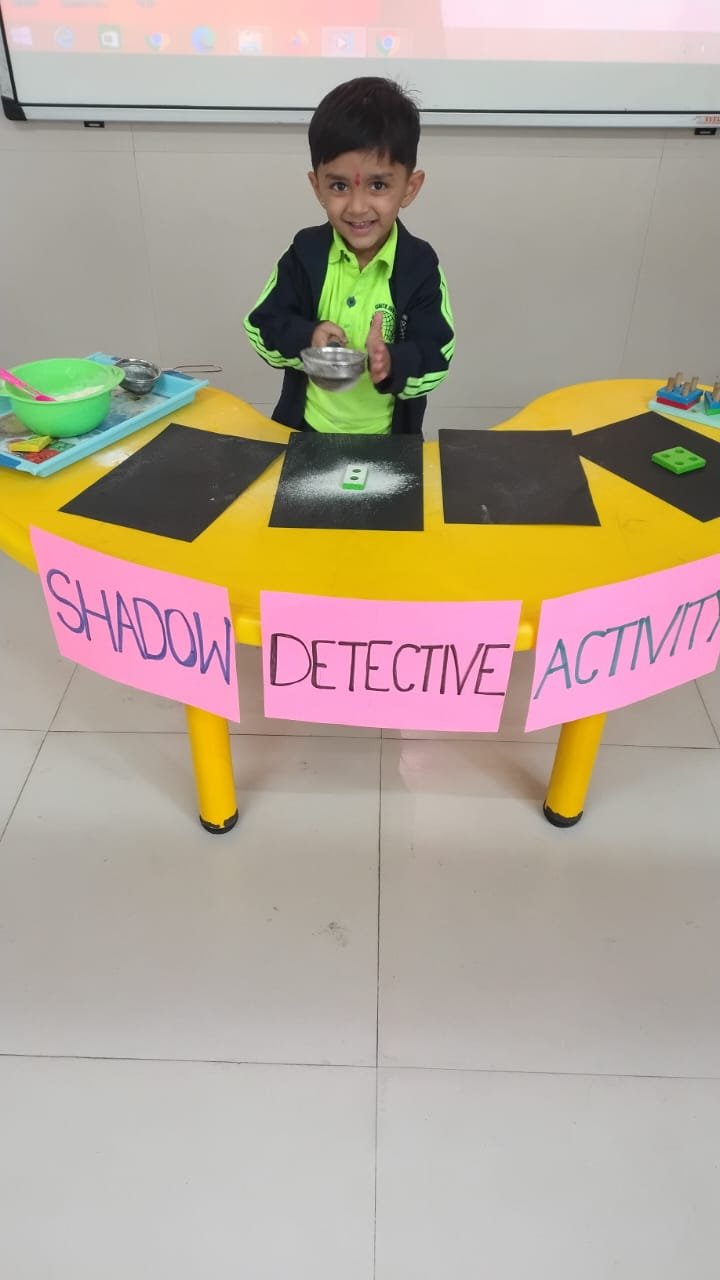
Our little learners turned into Shadow Detectives for the day! Each child was given a black sheet, a small object, and some salt. They carefully placed the object on the sheet and sprinkled salt all around it. When they gently lifted the object, they were amazed to see its outline shining clearly on the black paper — just like a shadow!
The children were excited to observe how shapes appeared and how reflections could be seen differently. Some tried different objects to see new patterns, while others compared their results with friends.
Through this fun and hands-on activity, children learned to observe closely, experiment freely, and enjoy the joy of discovery. It was truly wonderful to see their curious eyes and happy faces as they became real Shadow Detectives!
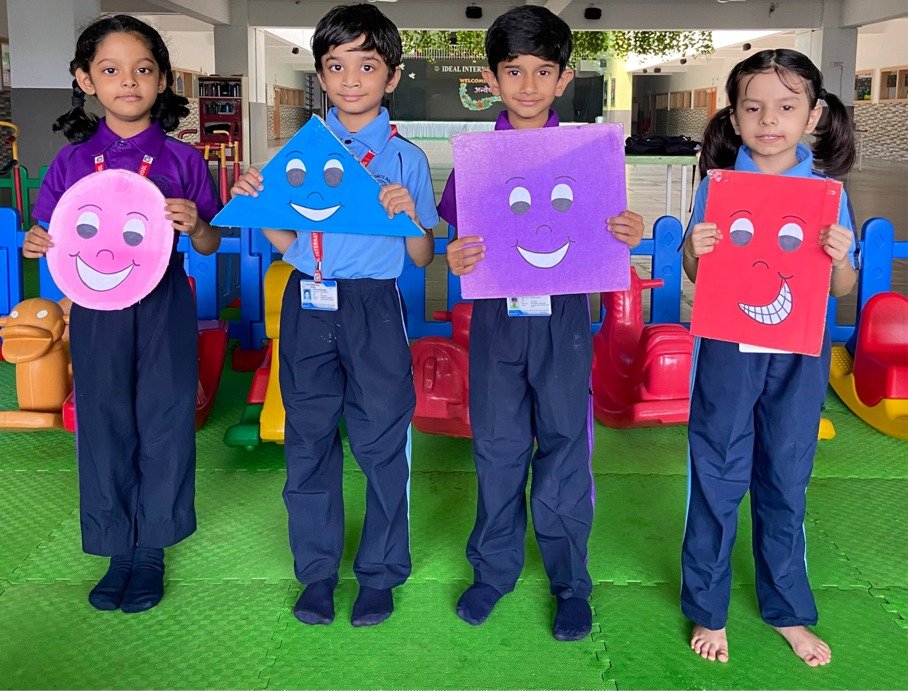
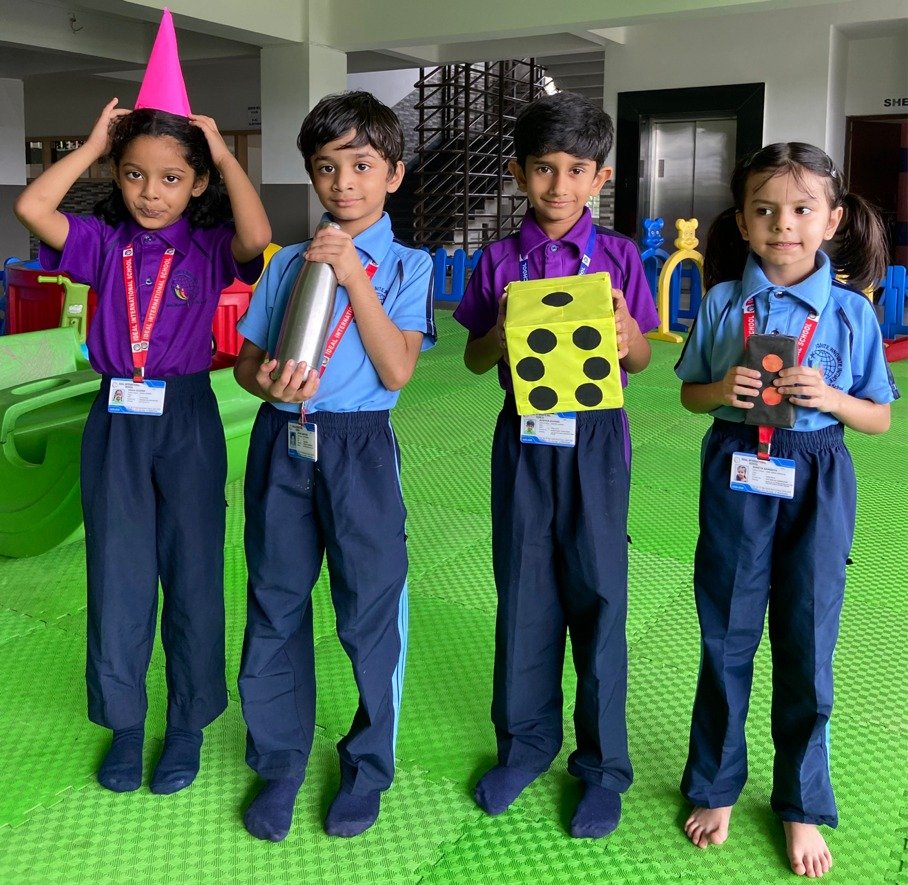
As a teacher, one of my favorite moments in the classroom is watching students light up when they realize that what they’re learning has a place in the real world. Geometry, especially when it comes to 2D and 3D shapes, offers one of the best opportunities to make that connection clear — and exciting.
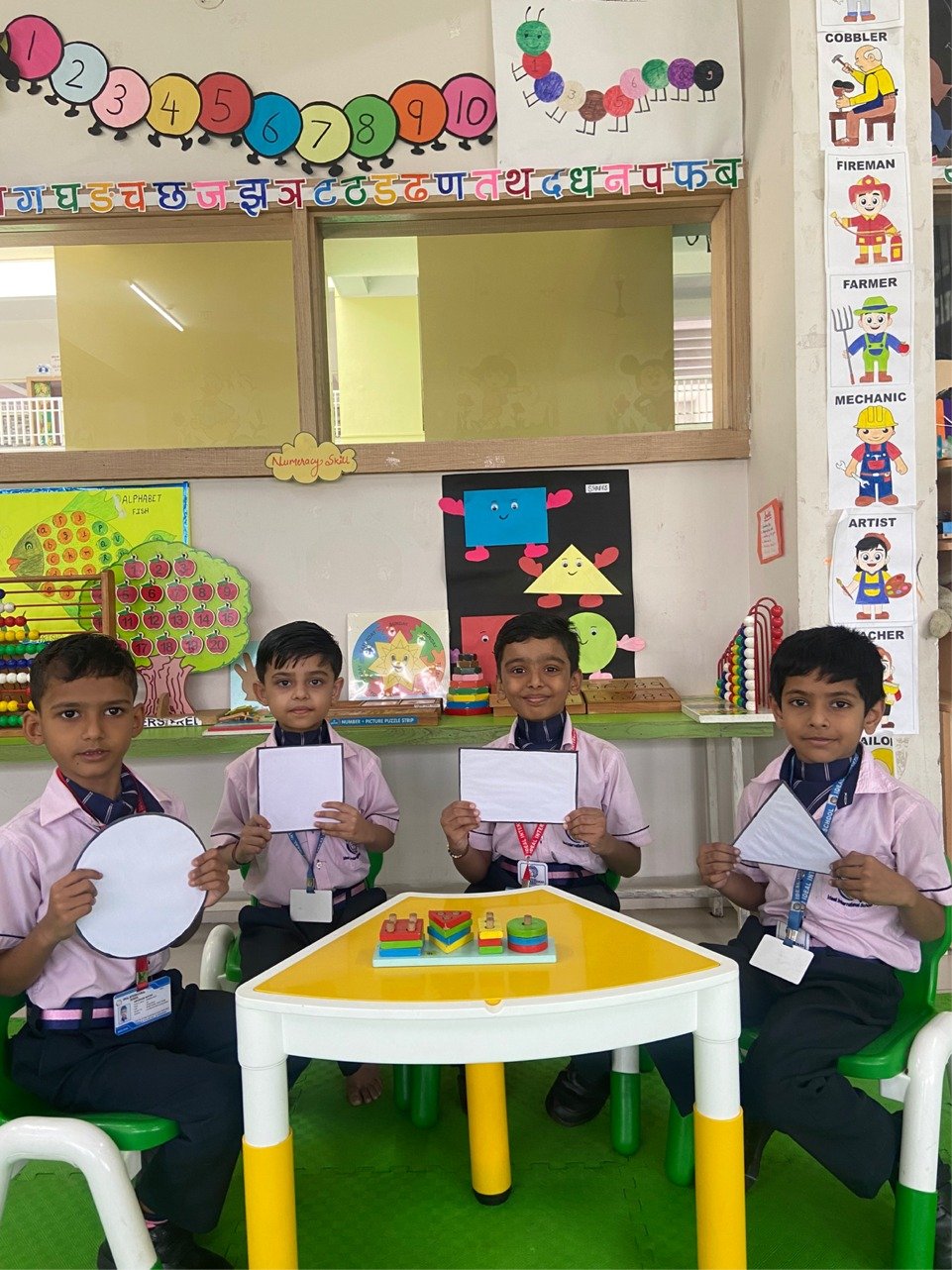
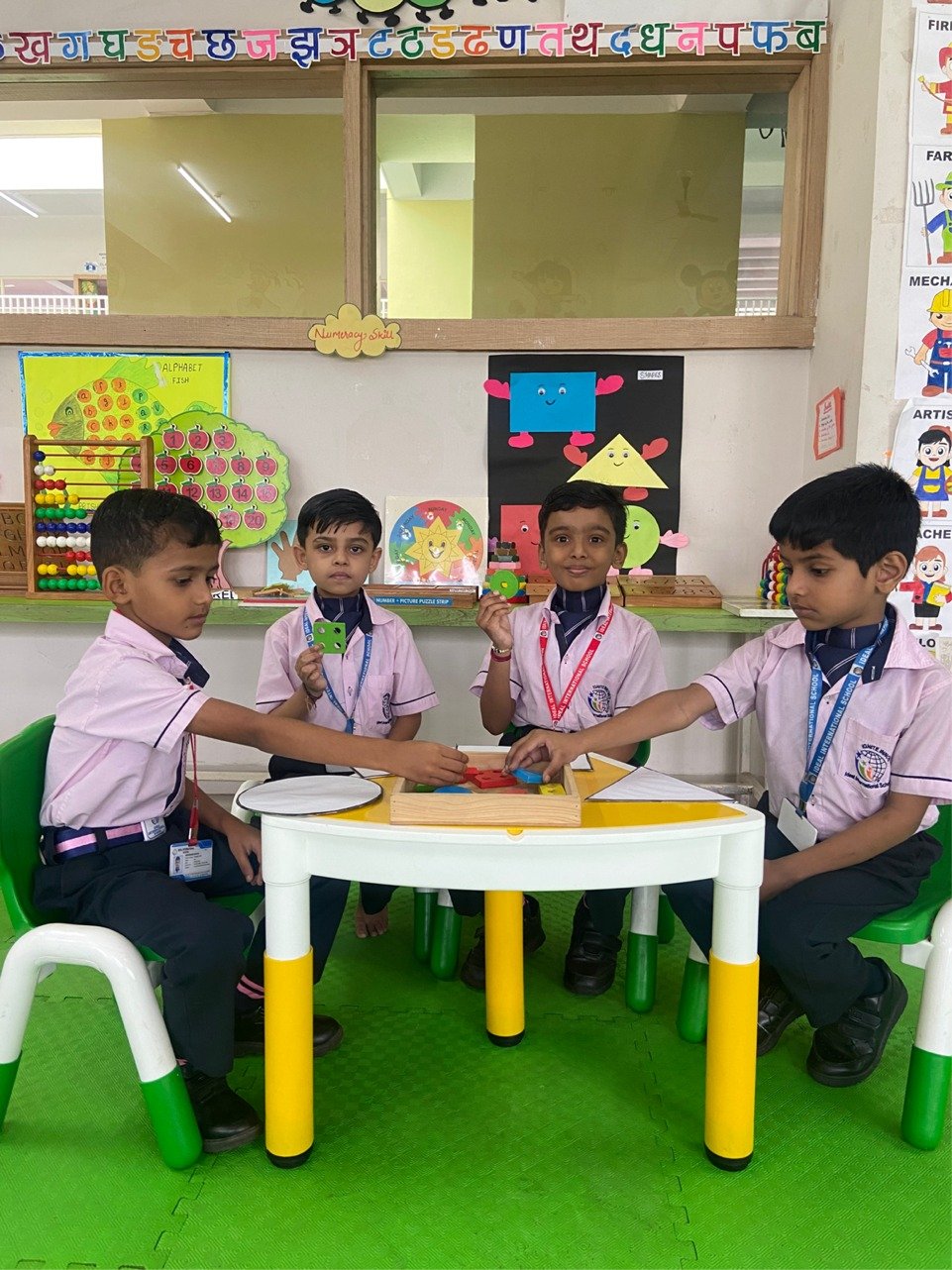
Recently, Grade I students introduced a hands-on Math activity that allowed students to dive into the world of shapes and spatial understanding. But instead of just memorizing names and properties, we took it a step further: we explored how these shapes appear all around us, in everyday objects — from the dice they roll to the cylindrical water bottles on their desks.
The goal of this activity was simple yet impactful. It helped students to identify and differentiate between 2D and 3D shapes, made them understand the unique properties of each shape (like edges, corners, and faces), and let them recognize these shapes in real-life objects they interact with daily.
By making shape learning visual, tactile, and relatable, students were not only engaged but also began to see mathematics as a living subject — not just numbers and names on paper. It sparked curiosity, encouraged observation, and led to some truly thoughtful conversations
×
Reach out to us
Please fill out the inquiry form and we will contact you